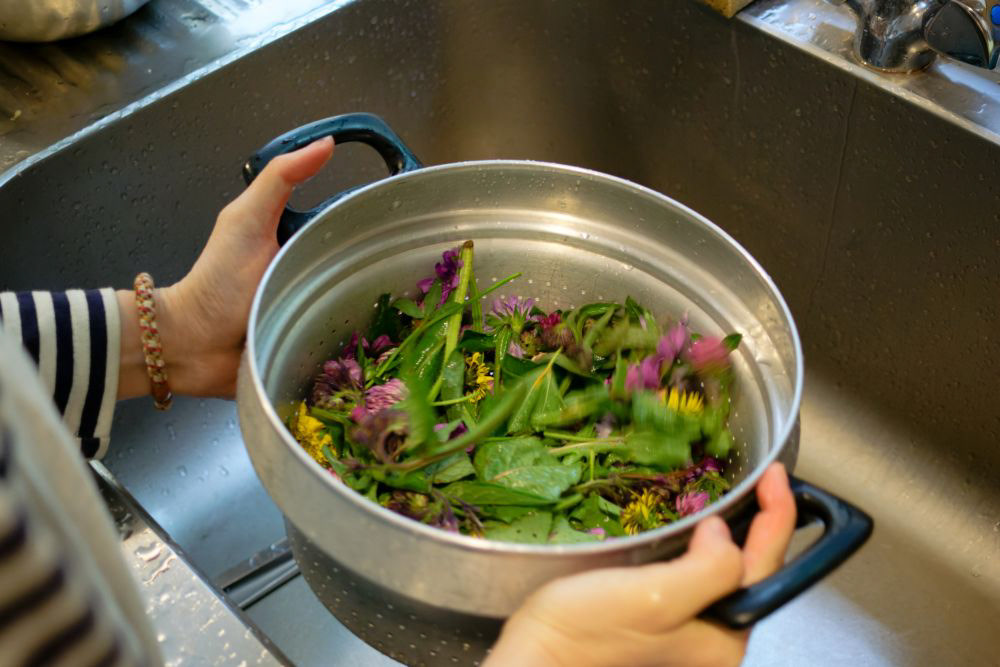
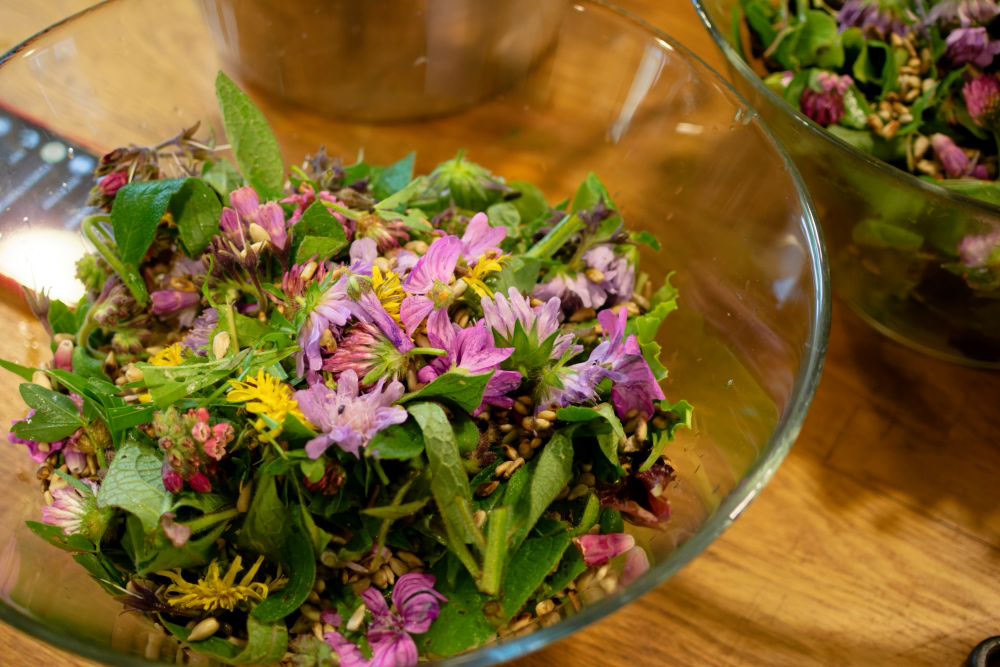
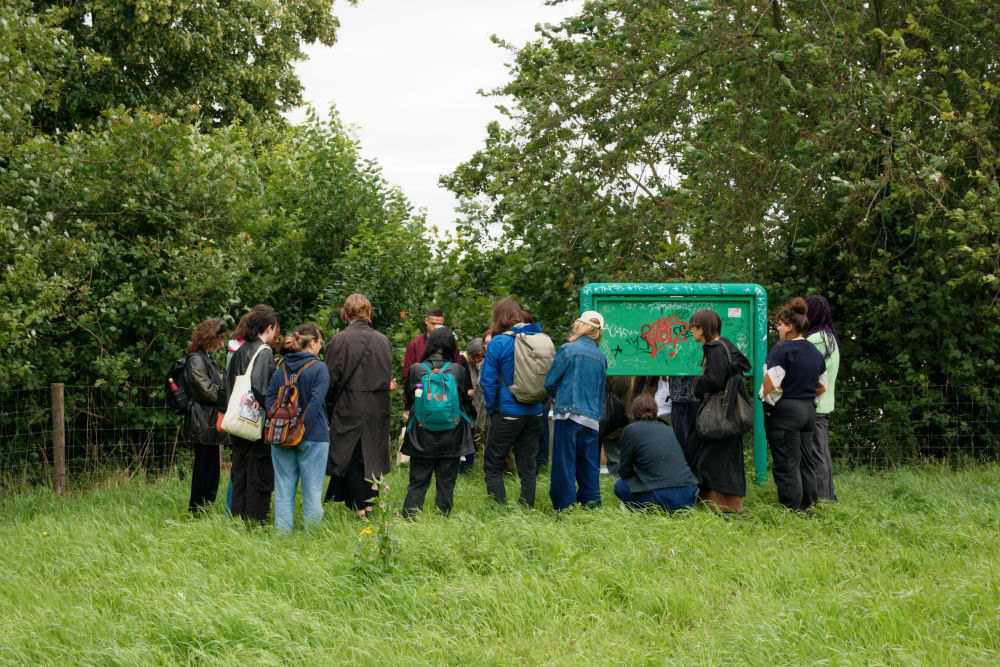
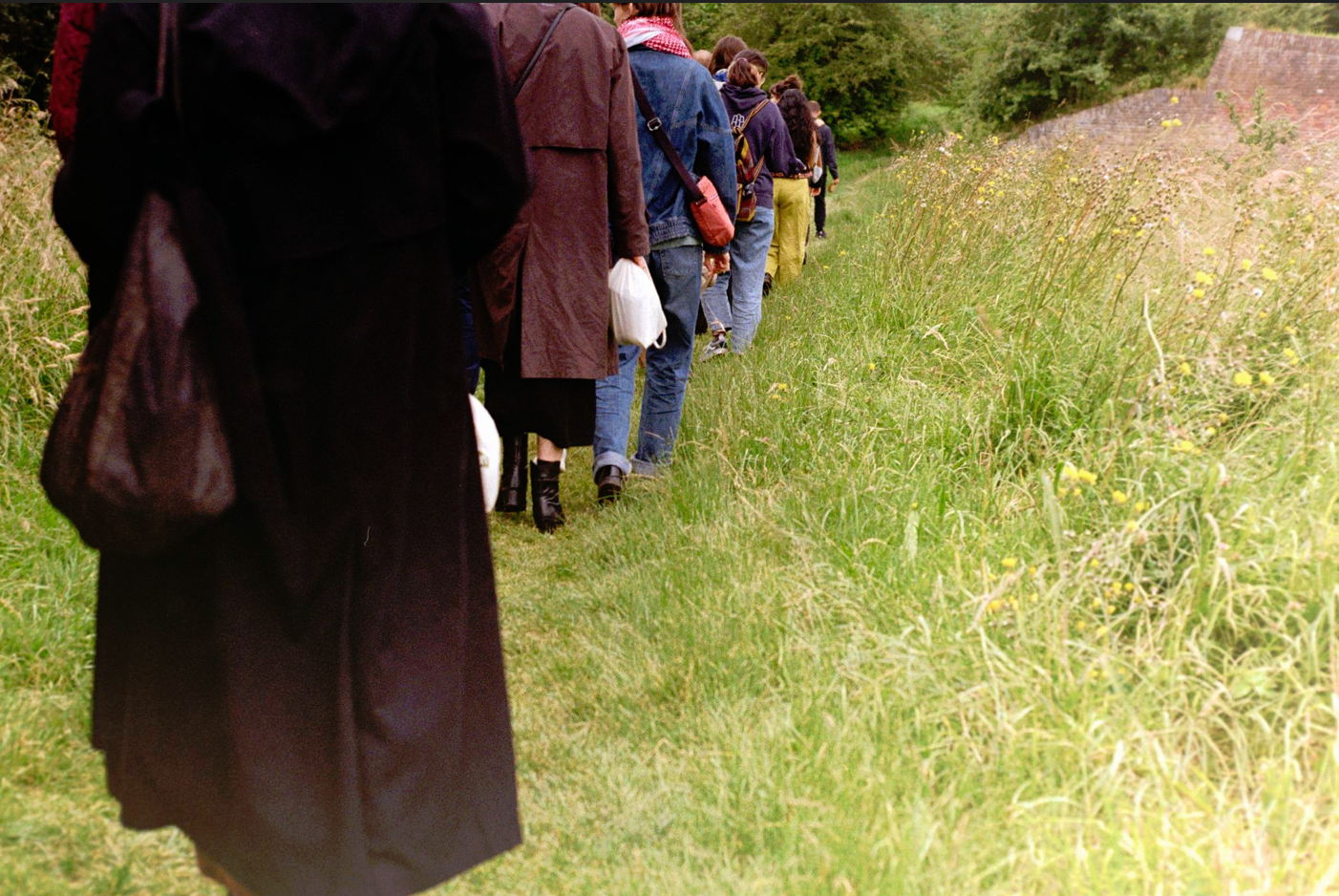
In behavioral ecology, foraging is the process wherein living beings search for food sources in their natural habitat. The ability to forage successfully is essential to animals’ well-being, as it directly affects their ability to survive and reproduce. But have you ever seen foraging as an act of resistance? Indeed, foraging as an intuitive behavior has a lot to do with the right and freedom of moving, accessibility and sharing a place with more-than-human beings; offering alternative ways of living away from capitalist methods.
Foraging in Palestine, for example, “is vulnerable to the severe effects of the occupation of the land, its fragmentation, its system of segregation, the separation wall, military checkpoints, rampaging settlers and their fenced settlements, soldiers, and the ongoing endless construction of infrastructure and road mapping.”
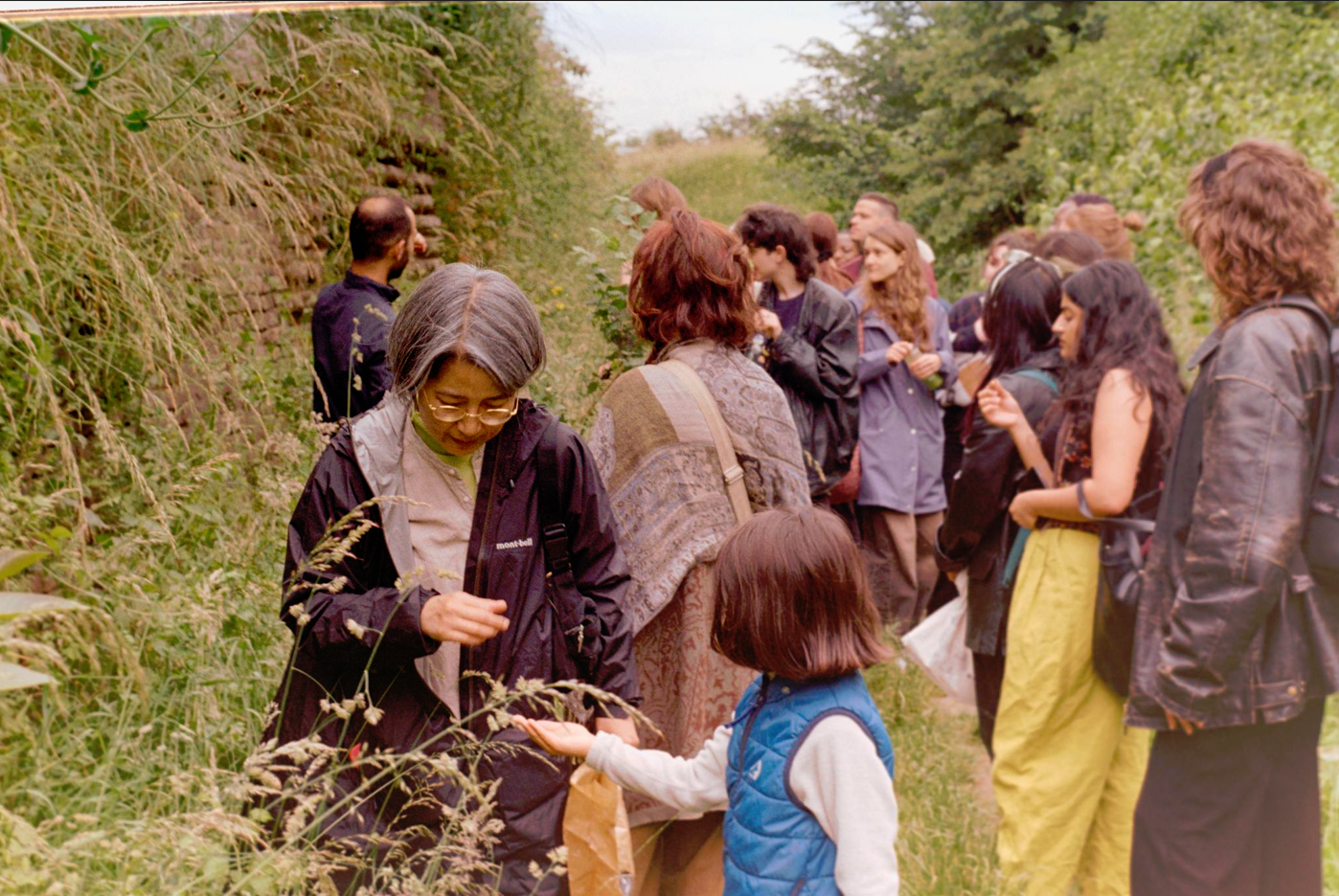
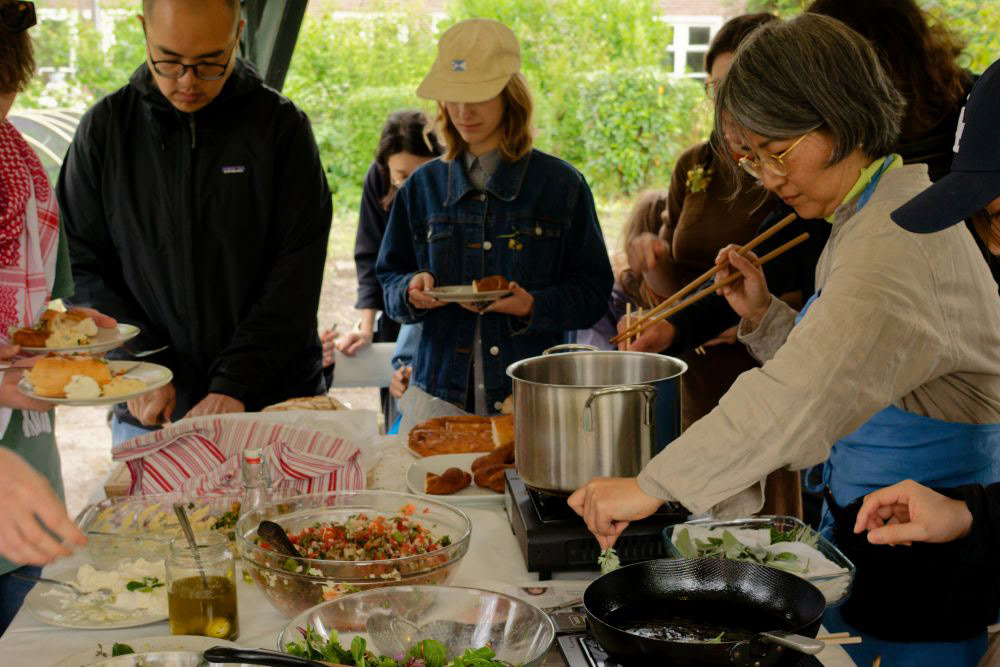
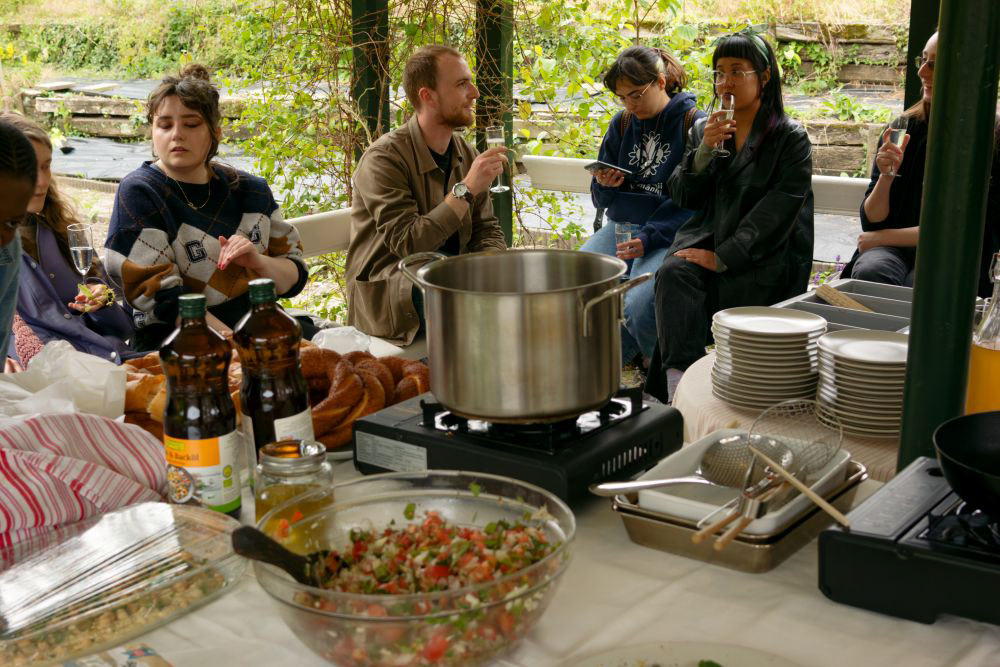
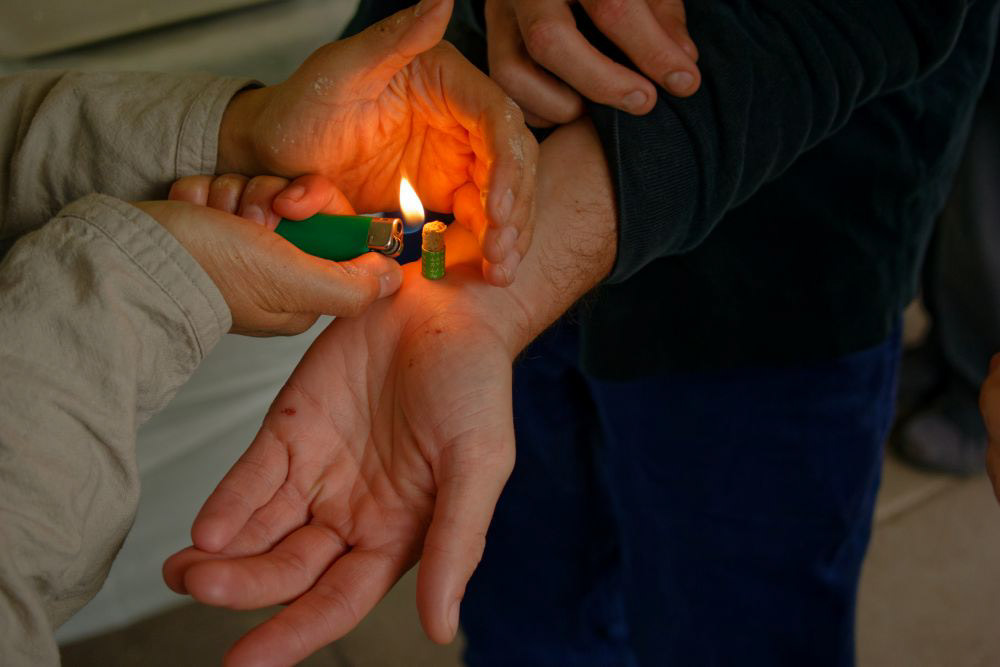
Join the foraging walk and picnic with the Jan van Eyck Academie alumni Asako Iwama and Alaa Abu Asad. They will share their knowledge of harvesting wild edible plants and demonstrate the autonomy of foraging. You will also taste and experience the wild flavor of Maastricht.
About the artists
Asako Iwama
Asako Iwama does drawing, cooking, beekeeping, caring for a 6-year-old, field trips, tracing, sampling, and (re)modeling. Worked at Studio Olafur Eliasson from 2005 to 2014. She co-edited ‘Studio Olafur Eliasson: The Kitchen’ in 2013.
Alaa Abu Asad
Alaa Abu Asad is an artist, researcher, and photographer. Language and plants are central themes through which he develops alternative trajectories where values of (re)presentation, translation, viewing, reading, and understanding can intersect.
Curated by Yen-Ting Kuan
Yen-Ting Kuan is a curator based in Rotterdam who focuses on contemporary art in politics, technology, and ecology.
* The project is supported by Stimuleringsfonds and collaborate with The Refugee Project Maastricht
Foraging in Palestine, for example, “is vulnerable to the severe effects of the occupation of the land, its fragmentation, its system of segregation, the separation wall, military checkpoints, rampaging settlers and their fenced settlements, soldiers, and the ongoing endless construction of infrastructure and road mapping.”
Join the foraging walk and picnic with the Jan van Eyck Academie alumni Asako Iwama and Alaa Abu Asad. They will share their knowledge of harvesting wild edible plants and demonstrate the autonomy of foraging. You will also taste and experience the wild flavor of Maastricht.
About the artists
Asako Iwama
Asako Iwama does drawing, cooking, beekeeping, caring for a 6-year-old, field trips, tracing, sampling, and (re)modeling. Worked at Studio Olafur Eliasson from 2005 to 2014. She co-edited ‘Studio Olafur Eliasson: The Kitchen’ in 2013.
Alaa Abu Asad
Alaa Abu Asad is an artist, researcher, and photographer. Language and plants are central themes through which he develops alternative trajectories where values of (re)presentation, translation, viewing, reading, and understanding can intersect.
Curated by Yen-Ting Kuan
Yen-Ting Kuan is a curator based in Rotterdam who focuses on contemporary art in politics, technology, and ecology.
* The project is supported by Stimuleringsfonds and collaborate with The Refugee Project Maastricht